
August 11, 2026
Story by C. Richard Campbell
Photographs from Facebook and Internet, may be subject to copyright
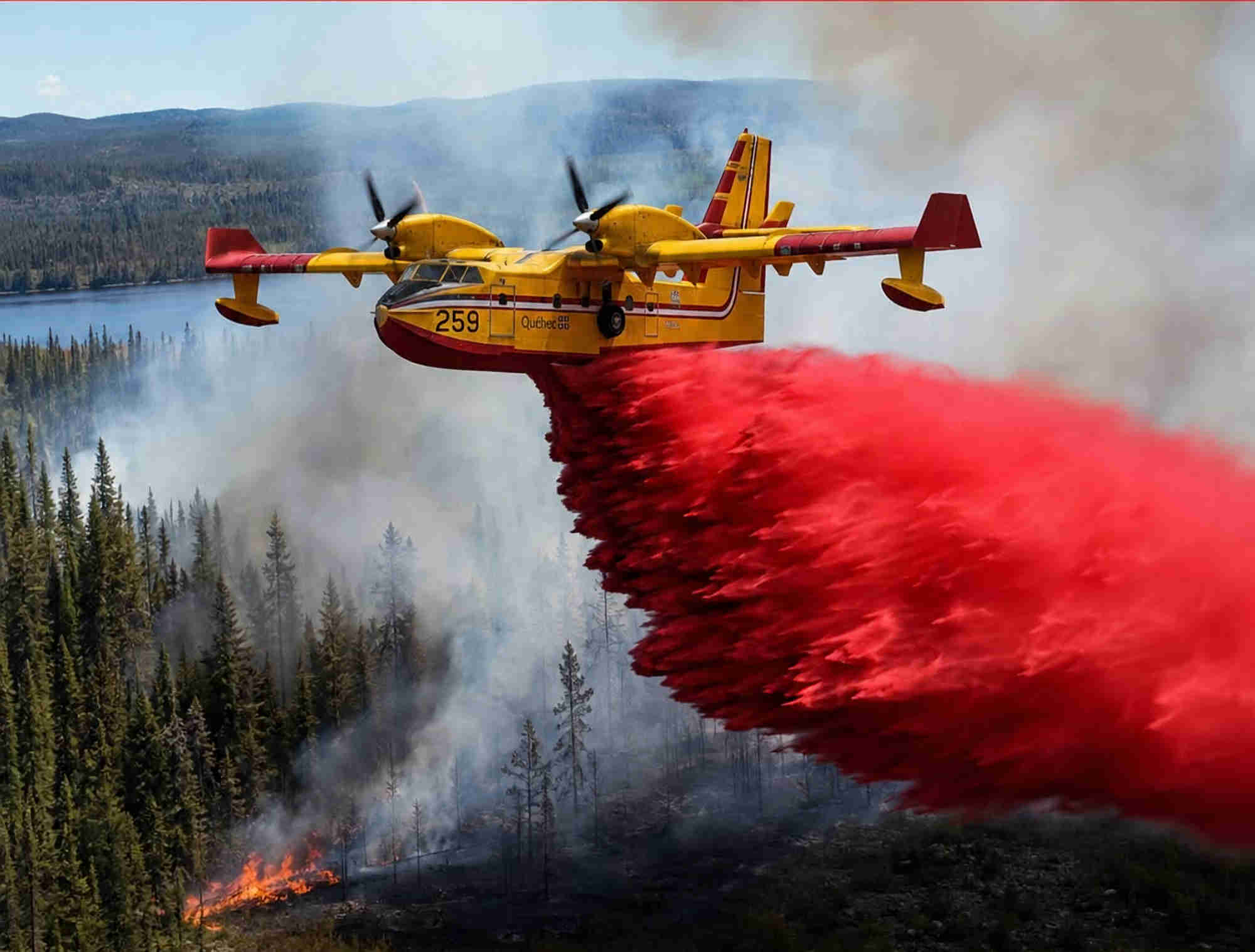
The Canadian Boreal forest is on fire. This year northern Ontario and British Columbia are experiencing wildfires. Last year, it was Quebec. The videos of Vernon, BC area are startling. Reminiscent of the devastating wild fires at Fort McMurray in 20 16. The United States, has its share of wild fires. In Europe, France and Croatia have serious wild fires to extinguish.
A Canadian amphibious water bomber has become one of the most sought-after firefighting aircraft.
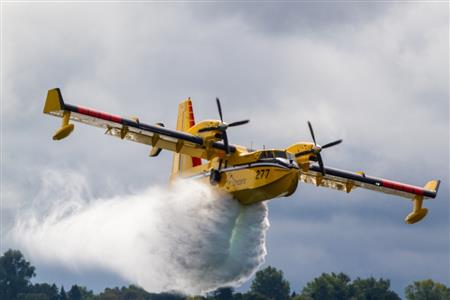
The De Haviland/ Canadair waterbomber is a remarkable achievement of Canadian engineering. A specialized aircraft for firefighting often in remote areas which scoops up 6,137 litres of water from a river or lake in 12 seconds. Then dumps the water on the fire with accuracy.
The aircraft can land and take-off on less-than-ideal runways and do this in a short distance . It can land and takeoff on water if required. The men and women that pilot these aircraft are at risk. It is dangerous work. There have been fatalities.
The demand for the waterbomber has increased dramatically since its production was halted many years ago. France has a fleet of 15 CL-515's and has ordered 4 of the new DHC-515 at $ 50 to $ 80 million CAD per unit.
De Havilland Canada has orders for 36 of the newly renamed DHC-515 water bomber (originally the CL-515). European countries have ordered 22, 6 for Ontario, 5 for Alberta, and 3 for Manitoba.
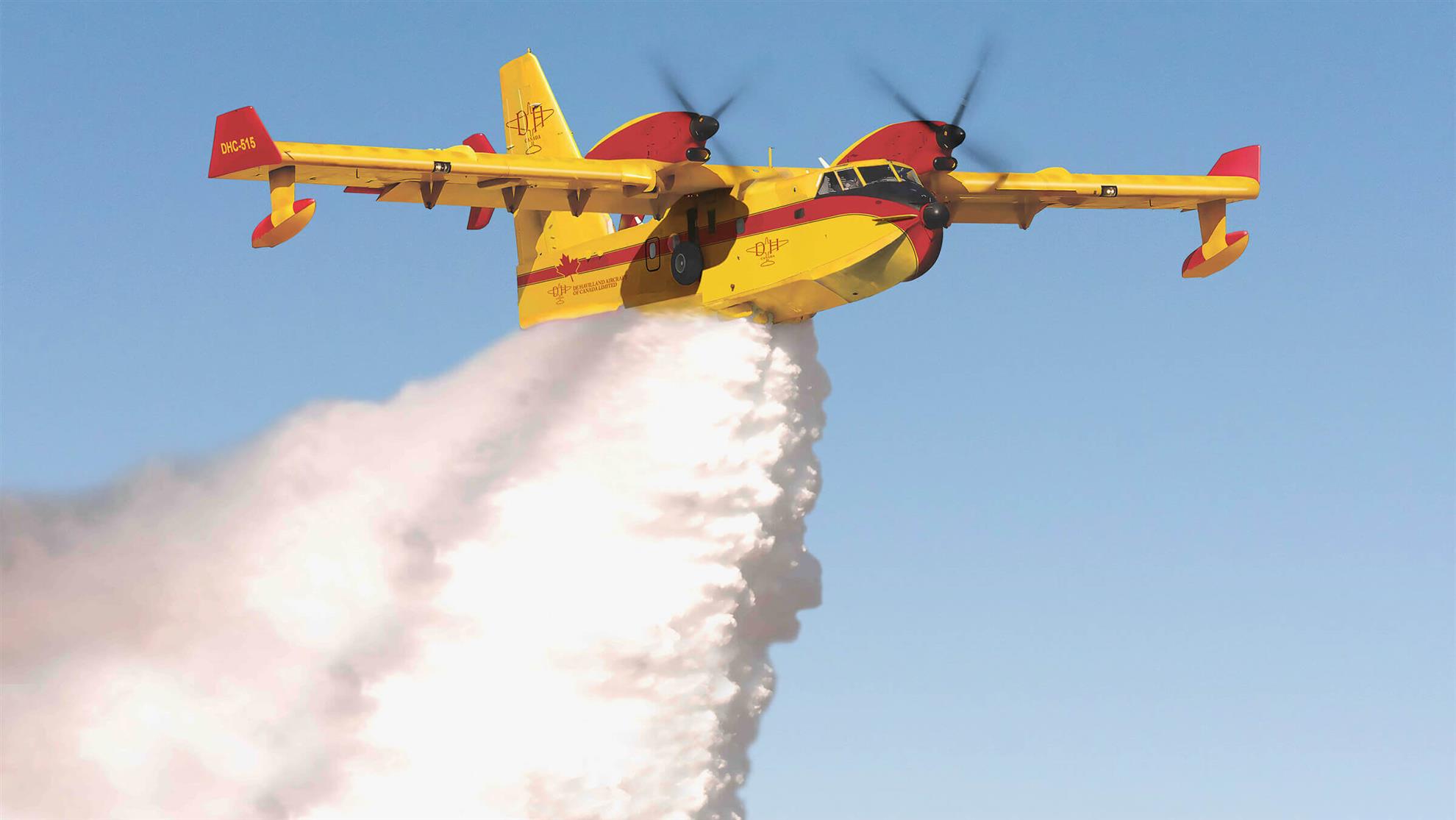
The Canadian DHC 515 Amphibious Water Bomber
According to Google,
“Canadair water bombers (like the CL-415 and upcoming DHC-515) remain the global standard for fighting severe wildfires in 2026. They are actively deployed across Canada, Southern Europe (such as Croatia and France), and other high-risk regions, scooping over 6,000 litres of water in seconds, though aging fleets and delayed next-gen deliveries have forced countries to look at alternatives like modified military transport.”
The De Haviland CF-215 was first manufactured from 1969 until it was discontinued in 1990. A total of 125 CF-215 were built in Montreal, Quebec. In 1993, production of the CL-415 began and 90 were built until 2015.
Canadair was purchased by Bombardier Aerospace in 1996. About 160 to 165 CF-215 and CL-415’s are still scooping up water to fight fires. In Canada about 60 to 65 of the water bombers are believed to be operational.
Viking Air Limited, Calgary, ALB acquired the CL-415 from Bombardier in 2016. The CL-415 is the basis for the new CL-515 (DHC-515).
With global warming and changing weather patterns, more and more countries are selecting the rugged and versatile Canadair/De Haviland amphibious water bomber for firefighting.
The Americans are complaining about northern forest fire smoke from Canada. With climate change, it is probable that the will be future Americans complaints, Canadian wild fires are only going to become worst and more frequent in the future.
I am impressed with the Canadair water bomber. I hope you are too. If you are a social media visitor, you will discover video after video from around the world and here in Canada of the water bomber doing what it was designed to do.
I have noticed a resurgence in pride in being Canadian. This is just one example.
If you want to know about these remarkable Canadian aircraft, visit your favourite social media or